Rose hips were commonly used by our grandparents, yet today they're overlooked.
Most people know roses for their flowers, but after the petals fall, the plant leaves behind small red-orange fruits called rose hips. These nutrient-rich fruits have long been used in teas, syrups and jams.
All rose varieties produce edible rose hips, which can be harvested in the fall for teas, syrups and jams. If you grow roses at home, avoid spraying them with pesticides and leave some flowers untrimmed so the hips can develop.
Lately, rose hip tea has been making a comeback. Not because it’s trendy, but because many people are returning to mocktails over cocktails, warm herbal teas and less processed wellness.
Rose hip tea is tart, vibrant and rich in vitamin C, carotenoids and polyphenols. Some people drink it seasonally during colder months. Others enjoy it as part of a daily herbal tea routine.
In this article, we’ll explore:
- what rose hips are
- rose hip tea benefits
- what rose hip tea tastes like
- how to prepare rose hips for tea
- traditional uses of rose hips
- and why this ancient herbal tea still feels relevant today
What Are Rose Hips?
Rose hips are the fruit of the rose plant. They develop after the rose petals fall and are usually bright red or orange when ripe.
While ornamental roses can produce hips, many herbalists prefer wild rose varieties because they tend to be smaller and more vibrant.
Inside each rose hip are seeds surrounded by a thin layer of tart, flavorful flesh. Once harvested, the hips can be used fresh or dried to make:
- herbal teas
- syrups
- jams
- infused honeys
- powders
For generations, people throughout Europe, Asia and Indigenous cultures in North America gathered rose hips as part of seasonal food and herbal practices, often harvesting them in late summer and fall.
Today, rose hip tea remains one of the simplest and most approachable ways to enjoy them.

Rose Hip Tea Benefits
People have been drinking rose hip tea for generations because it’s inexpensive, easy to prepare and naturally rich in vitamin C and plant compounds.
Rose hips also contain carotenoids and polyphenols, which are naturally occurring compounds found in many colorful fruits and herbs.
Unlike many modern wellness trends, herbal teas tend to become part of everyday life rather than occasional routines. A cup in the morning. A warm mug during colder months. A simple way to work more plants into your diet.
Rose hip tea has a tart, fruity flavor that works well on its own or blended with herbs like hibiscus, elderberry, ginger and cinnamon.
Rose Hips Are Naturally Rich in Vitamin C
One of the most well-known rose hip tea benefits is its naturally occurring vitamin C content.
In fact, during World War II, rose hip syrup was even distributed to children in Britain as a source of vitamin C during the long cold winters.
Rose hips also contain plant compounds like:
- vitamin A
- vitamin E
- carotenoids
- flavonoids
- polyphenols
Historically, rose hips were often gathered seasonally and used during colder months when fresh produce was less available. Many people dried and stored rose hips for use throughout winter.
Rose hip tea has a bright, tart and refreshing flavor. It’s great on its own or blended with herbs like:
- hibiscus
- elderberry
- cinnamon
- orange peel
- ginger
Rose Hip Tea and Skin Health
Rose hips have long been associated with skin health because they naturally contain vitamin C, carotenoids and polyphenols.
These compounds are found in many colorful fruits, herbs and oils used in skincare and herbalism.
Historically, people didn’t separate skincare from nourishment the way we often do today. Many plants were used both internally and externally depending on the preparation.
Working in botanical skincare has made me appreciate that connection even more. The same plants often appear in teas, balms and facial products.
Rosehip oil is pressed from the rose hip and became popular in skincare because of its rich fatty acid content and reputation for maintaining youthfulness and supporting dry, dull-looking skin.
Rosehip oil is also commonly used in facial oils and hair products because of its lightweight texture and nourishing fatty acids.
A cup of rose hip tea isn’t a replacement for topical skincare, but many people enjoy combining both. Nourishing the skin externally while also incorporating more herbs and antioxidant-rich plants into everyday life.
At Mamas Medicinals, we’ve always been drawn to plants that support the skin gently rather than aggressively stripping or overwhelming it. Rose hips fit naturally into that philosophy.

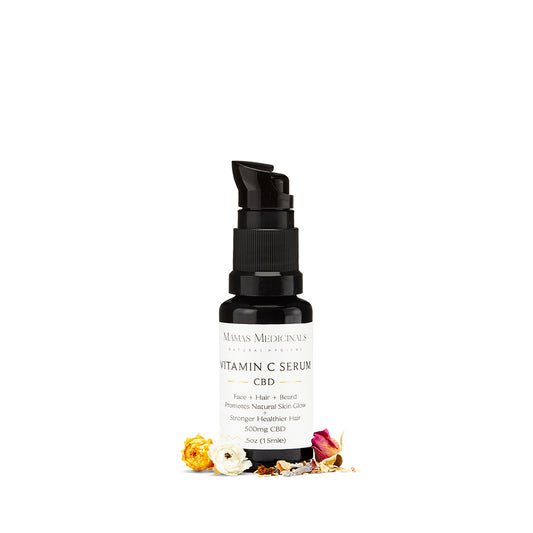
Explore our botanical face care collection featuring rosehip oil, slow-infused herbs and antioxidant-rich plant oils.
Why Rose Hip Tea Is Popular During Colder Months
People drink more herbal tea during colder months, and rose hip tea is especially popular because of its tart flavor and naturally high vitamin C content.
Historically, rose hips were often gathered in the fall, then dried and stored for use throughout winter when fresh produce was less available.
Today, many people are returning to simpler habits like:
- making tea
- cooking more at home
- learning seasonal plants
- drinking less alcohol
- incorporating more herbs into everyday life
Rose hip tea is popular because it’s inexpensive or even free, easy to prepare and naturally flavorful on its own. In many parts of the world, roses grow wild, and you can use the ones in your yard too. Just make sure they haven’t been sprayed with pesticides and don’t harvest near roadsides.
Rose Hip Tea Is an Easy Way to Work More Herbs Into Everyday Life
Herbal teas are simple.
You don’t need an overflowing supplement cabinet or a complicated routine to enjoy rose hip tea. Just dried herbs, hot water and a few minutes to steep.
For generations, people relied more on seasonal foods, stored herbs and everyday plant use rather than highly processed wellness products.
That’s part of why herbal teas still appeal to so many people today. They’re inexpensive, easy to prepare and easy to keep on hand year-round.
For many people, making herbal tea becomes less about chasing trends and more about slowing down, cooking at home and reconnecting with plants in a more practical way.

What Does Rose Hip Tea Taste Like?
Rose hip tea is tart, fruity and slightly floral.
Some people compare the flavor to:
- hibiscus tea
- cranberry
- tart apple
- lightly citrusy herbal blends
The flavor can vary depending on:
- the rose variety
- freshness
- drying method
- preparation style
Some rose hip teas are bright and tangy, while others are softer and more rounded.
Many people enjoy rose hips on their own, but they’re also commonly blended with herbs and spices like:
- hibiscus
- cinnamon
- elderberry
- chamomile
- orange peel
- ginger
Longer steep times usually create a deeper flavor and richer color. We tend to prefer longer infusions because the tartness softens and the flavor becomes fuller over time.
Rose hip tea can be enjoyed:
- hot
- iced
- blended into mocktails
- combined with honey
- added to tea blends
How to Prepare Rose Hips for Tea
One reason rose hip tea remains popular is because it’s easy to prepare.
You can use:
- dried whole rose hips
- crushed rose hips
- tea bags
- powdered rose hips
- fresh rose hips
Dried rose hips are usually the simplest option for everyday tea.
How to Make Rose Hip Tea
Using Dried Rose Hips
Ingredients:
- 1–2 teaspoons dried rose hips
- 1 cup hot water
Directions:
- Add dried rose hips to a tea infuser, jar, or teapot.
- Pour hot water over the herbs.
- Cover and steep for 10–15 minutes.
- Strain well before drinking.
Many people prefer longer steeps because the flavor becomes richer and more rounded over time.
You can also prepare larger overnight infusions by steeping rose hips in a covered jar for several hours.
Simple Rose Hip Syrup Recipe
Rose hips are also commonly simmered into syrups, which can be used in herbal mocktails, sparkling water, tea blends and seasonal drinks.
The tart flavor works especially well with citrus, ginger, cinnamon and honey.
Ingredients:
- 1 part dried rose hips
- 2 parts water
- equal part sugar or honey to concentrated tea
Directions:
- Add rose hips and water to a pot.
- Bring to a gentle simmer and cover.
- Simmer until the liquid reduces by about half.
- Strain well through a fine mesh strainer or cloth.
- Measure the remaining liquid and add an equal amount of sugar or honey while still warm.
- Stir until dissolved.
- Store in the refrigerator.
Many people enjoy mixing rose hip syrup with:
- sparkling water
- citrus
- herbal mocktails
- cocktails
- iced tea
- yogurt
- oatmeal
We especially like it mixed with sparkling water and orange or ginger for a simple herbal mocktail.
Using Fresh Rose Hips
Fresh rose hips can also be used for tea, although they require more preparation or a good filter.
The seeds and tiny hairs inside the hips should be removed because they can be irritating when consumed.
Fresh rose hips are often:
- sliced
- cleaned
- dried for storage
- frozen
- simmered into syrups or jams
If harvesting wild rose hips yourself, always avoid plants sprayed with pesticides or growing near roadsides.
Fresh vs Dried Rose Hips
Both fresh and dried rose hips can make excellent tea, but they offer slightly different experiences.
Fresh Rose Hips
Fresh hips tend to taste:
- brighter
- greener
- slightly more delicate
They’re often used seasonally right after harvest.
Dried Rose Hips
Dried rose hips usually develop:
- a deeper tartness
- concentrated flavor
- easier long-term storage
Drying also makes them easier to store and use year-round.
Many herbalists keep jars of dried herbs because they make seasonal plants available year-round.

Are Rose Hips Safe for Everyone?
Rose hip tea is generally considered a gentle herbal tea.
However, herbs can affect people differently depending on:
- medications
- sensitivities
- allergies
- health conditions
Proper plant identification also matters when foraging wild plants.
Like many herbs, rose hips are best enjoyed consistently rather than excessively.
Why Rose Hip Tea Is Making a Comeback
Rose hip tea isn’t new.
That’s part of why people still love it.
Long before wellness trends and complicated routines, people dried herbs, steeped teas and stored plants for use throughout winter.
Rose hips were part of everyday life because they were accessible, nutritious and easy to preserve.
Today, many people are returning to simpler habits:
- making tea
- cooking more at home
- drinking less alcohol
- learning seasonal plants
- incorporating more herbs into everyday life
Rose hip tea remains popular because it’s inexpensive, flavorful and easy to prepare.
A warm cup of herbal tea probably won’t change your life overnight, but most herbal practices were never about overnight transformation.
They were about consistency.
Seasonality.
Simplicity.
And learning to work with plants as part of everyday life.