
CBD + CBG: HOW CANNABINOIDS WORK
Your skin and body have its own endocannabinoid system.
CBD and CBG are non-intoxicating cannabinoids. The skin contains cannabinoid receptors and other molecular targets involved in skin balance, barrier function, oil production and inflammatory signaling as well as many internal benefits.

CBD + CBG + THC
They’re all cannabinoids, but not all the same. They're one of more than 100 cannabinoids produced by Cannabis sativa.
WHAT IS CBD?
CBD stands for cannabidiol. CBD is non-intoxicating. It does not get you high.
WHAT IS CBG?
CBG stands for cannabigerol. CBG is another cannabinoid found in cannabis and hemp. CBG is also non-intoxicating.
CBG interacts with several biological targets, including parts of the endocannabinoid system, but it has been studied far less than CBD.
WHAT ABOUT THC?
THC is the cannabinoid primarily responsible for the cannabis high.
WHY CBD + CBG?
Different cannabinoids interact with the body differently. Our Extra Strength Healing Salve and Revitalizer combine CBD + CBG.

NANO WATER-SOLUBLE CBD
CBD naturally prefers oil, not water.
Our CBD is formulated into nano-sized particles and made water-dispersible for improved delivery in topical formulations.
WHY FORMULATION MATTERS
CBD is only one part of a topical formula.
The concentration of CBD, delivery system, carrier ingredients and the rest of the formula all affect the finished product.
The whole formula matters.

YOUR BODY MAKES ITS OWN CANNABINOIDS
They’re called endocannabinoids.
Two of the best studied are anandamide (AEA) and 2-AG. Your body makes these signaling molecules itself.
THE ENDOCANNABINOID SYSTEM
The ECS is a signaling system found throughout the body.
It includes endocannabinoids, receptors such as CB1 and CB2, and enzymes that make and break down endocannabinoids.
CB1 + CB2
CB1 receptors are especially abundant in the nervous system.
CB2 receptors are especially associated with immune cells and peripheral tissues.
Neither receptor exists exclusively in one place. Both occur in tissues throughout the body.
YOUR SKIN HAS AN ECS TOO
CB1 and CB2 receptors and other parts of the endocannabinoid system are found throughout the skin.
Your skin has its own endocannabinoid system.

CBD + SKIN BALANCE
The skin’s endocannabinoid system helps regulate homeostasis.
Homeostasis basically means keeping things in balance.
The cutaneous endocannabinoid system is involved in skin barrier function, cell signaling, oil production and inflammatory processes.
CBD + OIL PRODUCTION
Sebum is the oil your skin makes naturally.
CBD has been studied directly in human sebocytes, the cells that produce sebum.
Laboratory research found that CBD can reduce excessive lipid production and influence inflammatory signaling in sebocytes.
That’s one reason CBD is being studied for oily and acne-prone skin.
CBD + THE SKIN BARRIER
Your skin barrier keeps moisture in and irritants out.
The skin’s endocannabinoid system is involved in maintaining skin homeostasis and barrier function.
CBD + INFLAMMATORY SIGNALING
CBD has demonstrated anti-inflammatory activity in skin research.
Research has found effects on several inflammatory signaling pathways, although more controlled human research is still needed.

CBD + ANTIOXIDANT ACTIVITY
CBD also has antioxidant activity.
CBD has demonstrated antioxidant effects in laboratory research and is being studied for its effects on oxidative stress.
That’s one reason CBD is interesting in facial skincare, not just products for muscles and joints.
CBD + PRO-AGING SKINCARE
Skin aging is about more than wrinkles.
Oxidative stress, inflammation, hydration and barrier function all influence how skin changes with age.
CBD is being studied for antioxidant, moisturizing and anti-inflammatory properties relevant to skincare.

WHY USE CBD TOPICALLY?
Topical CBD puts the formula directly where you apply it.
The skin contains cannabinoid receptors and other molecular targets that interact with cannabinoids.
CBD + MUSCLES + JOINTS
Apply topical CBD directly where you want to use it.
CBD is being studied for its effects on inflammatory and pain-signaling pathways.
TOPICAL VS. INTERNAL CBD
Same cannabinoid. Different route.
Topical CBD is applied directly to the skin.
Internal CBD is swallowed or absorbed through another route and can circulate throughout the body.

CBD + SENSITIVE SKIN
CBD is only one ingredient.
Carrier oils, botanical extracts, essential oils, preservatives and every other ingredient in a formula matter too.
We formulate as if every skin type is sensitive.
CBD + ECZEMA
CBD is being studied for inflammatory skin conditions, including atopic dermatitis.
The skin’s endocannabinoid system is involved in barrier function and inflammatory signaling, although human research on CBD for eczema is still limited.
Read our CBD + eczema parent’s guide
BABIES + SENSITIVE SKIN
Our Baby Balm is CBD-free.
For babies and extremely sensitive skin, we believe simple formulas matter.

CBD VS. HEMP SEED OIL
They are not the same thing.
Hemp seed oil is pressed from hemp seeds.
CBD is a cannabinoid found primarily in the flowers, leaves and other aerial parts of the plant.
Hemp seeds naturally contain little to no CBD.
A product can contain hemp seed oil and contain little or no CBD.
TAKING CBD INTERNALLY
There isn’t one perfect CBD dose for everyone.
People can respond differently to the same amount of CBD.
Body weight alone does not reliably tell you how an individual will respond.
START LOW. INCREASE SLOWLY
More is not automatically better.
A conservative approach is to begin with a low amount and gradually adjust based on your response and side effects.
BODY SIZE ISN’T THE WHOLE STORY
CBD exposure and response can vary based on:
Dose
Formulation
Food
Metabolism
Medications
Route of administration
Individual biology
FOOD CAN CHANGE CBD ABSORPTION
What you eat can change how much oral CBD reaches your bloodstream.
Human studies have found that taking oral CBD with food, particularly higher-fat food, can substantially increase CBD exposure compared with taking it fasted.
That’s another reason one CBD dose doesn’t work the same for everyone.
HOW LONG DOES CBD LAST?
There isn’t one universal number.
How long CBD remains in the body varies with how much you use, your endocannabinoid system and your metabolism.
CBD doesn’t follow the same clock for everyone.
CBD + SLEEP
CBD is being studied for sleep, but it isn’t simply a sleeping pill.
Effects can vary with dose, timing, individual biology and the reason sleep is disrupted.
CBD can cause drowsiness in some people.
CBD + MEDICATIONS
Internal CBD can interact with medications.
CBD can affect the way the body processes certain drugs, potentially changing their effects or side effects.
If you take prescription medication, talk with your doctor or pharmacist before taking CBD internally.
CBD + THE LIVER
Internal CBD isn’t completely risk-free.
High oral doses of CBD have been associated with elevated liver enzymes and liver injury in some people.
CBD + PREGNANCY + BREASTFEEDING
I’ve written openly about my own experience with CBD during pregnancy and nursing.
My experience is personal. It isn’t medical advice.
CURRENT GUIDANCE
The FDA advises against CBD use during pregnancy and breastfeeding.
There isn’t enough research to establish its safety during pregnancy or breastfeeding.
WILL CBD SHOW UP ON A DRUG TEST?
Most standard cannabis drug tests look for THC metabolites, not CBD.
But CBD products can contain THC.
Repeated use of a product containing THC can create a risk of a positive drug test.
If drug testing matters to you, check the product’s THC results instead of relying on the word “CBD.”
WHAT IS A COA?
COA = Certificate of Analysis.
A COA is a laboratory report showing what was measured in a sample.
POTENCY
How much CBD, CBG or THC was measured?
CONTAMINANTS
Depending on the testing panel, a COA can also test for:
Pesticides
Heavy metals
Microbes
Residual solvents
WHY THIRD-PARTY TESTING?
Because what’s on the label should match what’s in the product.
We use independent laboratory testing to verify cannabinoid potency.
HOW TO READ CBD MILLIGRAMS
Milligrams tell you how much CBD is in the product.
But bottle size matters too.
500 mg in 15 mL is much more concentrated than 500 mg in 200 mL.
CONCENTRATION MATTERS
Total CBD and CBD concentration are different things.
Don’t compare CBD products by total milligrams alone.
FULL-SPECTRUM + BROAD-SPECTRUM + ISOLATE
CBD ISOLATE
Primarily purified CBD.
BROAD-SPECTRUM
Contains multiple hemp-derived compounds with THC generally removed or reduced.
FULL-SPECTRUM
Contains multiple naturally occurring hemp compounds and may include trace amounts of THC.
The actual lab results tell you more than the marketing term.
WHY BOTANICALS + CBD?
CBD isn’t the whole formula.
We combine cannabinoids with botanical oils and whole-herb infusions selected for the finished formula.
More than just CBD. The whole formula matters.
SIX-WEEK HERBAL INFUSIONS
Whole herbs. Six weeks.
We slowly infuse whole botanicals into our oils for six weeks.
WILD-HARVESTED BOTANICALS
Many of our herbs are hand-harvested in Northern California.
CBD SKINCARE SINCE 2011
We’ve been formulating CBD skincare since 2011.
Before CBD skincare became mainstream.
Woman-owned. Family-run. Made in Northern California.
KEEP LEARNING
CBD + ECZEMA
What parents should know about CBD + eczema.
CBD + BABY SKIN
Ingredients, sensitive skin + what to consider.
CBD + SKINCARE
CBD, sebum, moisture + skin balance.
CBD + PREGNANCY + NURSING
MORE CBD EDUCATION
SOURCES + FURTHER READING
The Endocannabinoid System: An Overview
https://pmc.ncbi.nlm.nih.gov/articles/PMC3303140/
Cannabidiol Exerts Sebostatic and Anti-inflammatory Effects on Human Sebocytes
https://pmc.ncbi.nlm.nih.gov/articles/PMC4151231/
A Systematic Review on the Pharmacokinetics of Cannabidiol in Humans
https://pmc.ncbi.nlm.nih.gov/articles/PMC6275223/
The Potential Role of Cannabidiol in Cosmetic Dermatology: A Literature Review
https://pmc.ncbi.nlm.nih.gov/articles/PMC11511700/
FDA: What You Should Know About CBD During Pregnancy or Breastfeeding
https://www.fda.gov/consumers/consumer-updates/what-you-should-know-about-using-cannabis-including-cbd-when-pregnant-or-breastfeeding
FDA: What You Need to Know About Products Containing Cannabis or CBD
https://www.fda.gov/consumers/consumer-updates/what-you-need-know-and-what-were-working-find-out-about-products-containing-cannabis-or-cannabis
Project CBD
https://projectcbd.org/
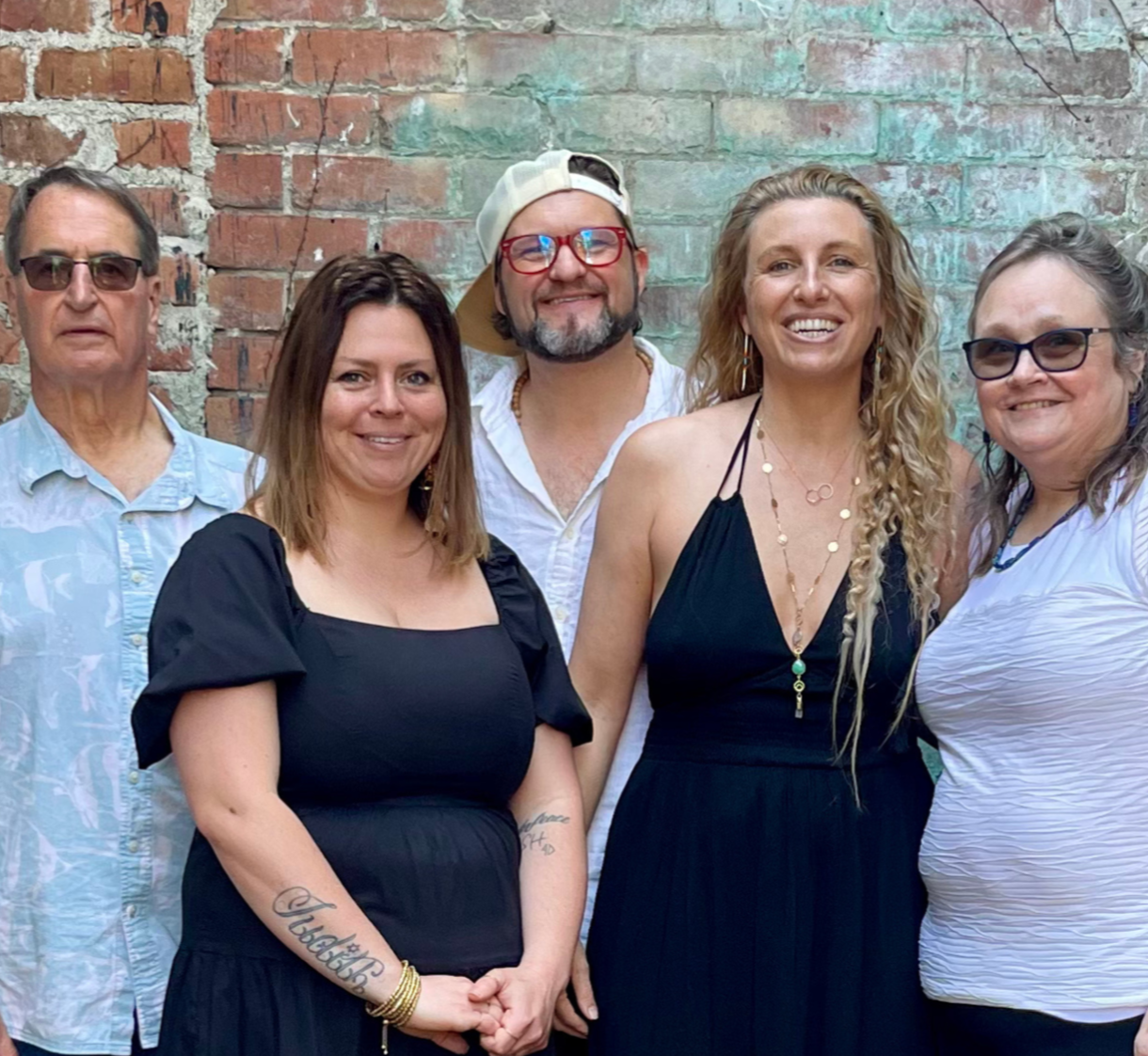
We’d love to hear from you
Stop by our shop at:
328 N State St, Ukiah, CA 95482
Store Hours
Monday–Friday from 10 AM to 5 PM
Got questions or just want to connect?
Call us at 707-734-3021
info@mamasmedicinals.com
We're here and happy to help!